
Getting Pickleball Right: A Roadmap for Municipal Planning
As pickleball surges across Ontario, cities are struggling to keep up—not because of a lack of demand, but because of outdated planning models. This piece explores why treating pickleball like tennis leads to overcrowded courts, frustrated players, and wasted investment—and how a smarter, collaborative approach with local clubs can transform communities into thriving, year-round pickleball hubs.
Mike Bowcott - Pickleball Partners
4/4/20263 min read
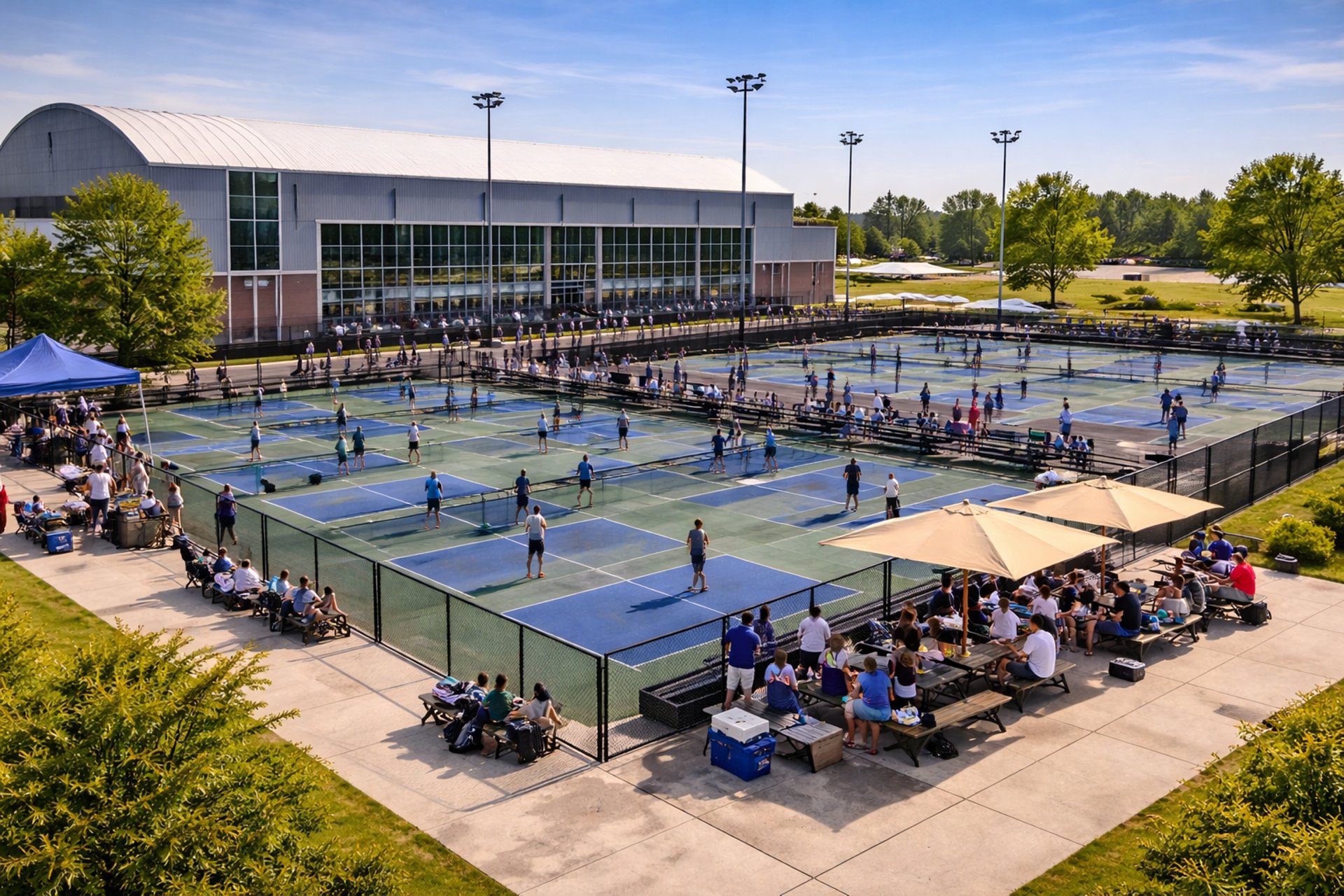
Getting Pickleball Right: A Roadmap for Municipal Planning
Why collaboration—not consultants—is the key to building thriving pickleball communities
Pickleball is no longer emerging.
Across Ontario, cities like Richmond Hill, Barrie, and Newmarket are experiencing the same thing:
Rapid growth in participation
Overcrowded courts
Waitlists for programs
Increasing pressure from residents
The demand is real.
The enthusiasm is real.
So why are so many municipalities still struggling to get it right?
⚖️ Two Different Approaches Emerging
There are now two clear models for how cities are approaching pickleball:
1. The Collaborative Model (Newmarket)
Newmarket has taken a different path—one built on collaboration with its primary users:
Partnering directly with local pickleball clubs
Leveraging real player data and experience
Supporting organized programming
Building facilities that reflect how the game is actually played
👉 The result:
Newmarket is widely seen as one of the most pickleball-friendly communities in Ontario.
2. The Traditional Planning Model (Barrie & Richmond Hill)
Cities like Barrie and Richmond Hill have largely followed a more traditional path:
Consultant-led studies
Incremental court additions
Limited collaboration with clubs
Planning frameworks rooted in tennis
👉 The result:
Well-intentioned plans that often lag behind real demand.
📍 The Reality Cities Must Face
There are some hard truths about pickleball that municipalities cannot ignore:
❗ You can’t just put pickleball courts anywhere
Pickleball is louder than tennis.
Courts placed too close to homes create conflict
Poor site selection leads to complaints and restrictions
Some locations become unusable due to noise concerns
👉 Proper placement and planning are essential.
❗ Lining tennis courts is not a real solution
Many cities try to “solve” demand by adding pickleball lines to tennis courts.
In practice:
It creates conflict between tennis and pickleball players
Leads to scheduling disputes at busier parks
Results in underused courts when only 1–2 are lined
👉 And yet, municipalities often count these as “pickleball courts.”
The real question is:
Are they actually being used?
Too often, the answer is no.
🎾 The Core Issue: Treating Pickleball Like Tennis
One of the biggest challenges municipalities face is this:
Pickleball is being planned using a tennis model.
But pickleball is fundamentally different.
Pickleball is:
Higher volume (more players per court)
Social and community-driven
Dependent on organized play
Sensitive to overcrowding
👉 Applying a tennis framework leads to:
Undersized facilities
Poor utilization
Frustration for players
🤝 The Missing Piece: Clubs
Here’s the irony: The demand driving municipal investment is coming from players…
And those players are largely organized through not-for-profit clubs like:
Newmarket Pickleball Club
Markham Pickleball Club
Richmond Hill Pickleball Club
Barrie Pickleball Club
Vaughan Pickleball Club
These organizations:
Introduce new players to the game
Run leagues and structured play
Organize skill-based programs
Build the strong sense of community pickleball is known for
Yet many municipalities:
Limit collaboration
Plan in isolation
Underutilize this expertise
👉 This is both ironic and a missed opportunity.
💸 The Consultant Problem
Municipalities often rely on consultants to guide planning.
The reality?
These same consultants:
Have produced similar reports across multiple cities
Repeatedly recommend large indoor and outdoor hubs
Emphasize organized, scalable play
And yet cities still:
Underbuild
Delay decisions
Revisit the same studies
👉 The outcome:
More cost. Same conclusions. Limited progress.
🏗️ The Cost of Underbuilding
When cities build too small, the pattern is predictable:
Facilities open and are immediately full
Wait times increase
Complaints rise
Players leave for other municipalities
Expansion becomes necessary—at higher cost
👉 Many cities end up building 2–3× more courts than originally planned—just later and more expensively.
📍 A Critical Moment in Richmond Hill
Richmond Hill is at a turning point.
After:
A 5-year delay
The cancellation of 16 previously approved courts
The City is now considering 12 courts at Richmond Green. This will be welcomed by residents—but it comes with serious risks.
❗ No clear indoor commitment
There is currently: No defined plan for a large indoor facility
Even if Richmond Hill eventually builds 10–12 indoor courts: They will be full on Day 1.
This is not long-term planning. It is the bare minimum.
❗ Players are already leaving
Many Richmond Hill players are already:
Traveling to Vaughan and Markham
Paying premium prices at private facilities
And soon: They will be heading to Newmarket.
The Town is building a 20-court indoor facility that will:
Meet real demand
Support organized play
Establish Newmarket as a true pickleball destination
❗ The risk of “12 courts being enough”
If Richmond Hill builds only 12 courts:
It may be seen as “problem solved”
Further expansion could be delayed 5–10 years
Overcrowding will return immediately
👉 And the cycle repeats.
What Barrie Got Right—and What It Missed
Barrie deserves credit for:
✔ Recognizing pickleball growth
✔ Creating a formal strategy
✔ Exploring multi-court facilities
But it also:
Lacks clear capacity targets
Limits club integration
Focuses heavily on planning over execution
Defers indoor solutions
👉 A strong start—but not a complete solution.
A Better Roadmap
If municipalities want to get pickleball right:
1. Plan for Players - Not just courts—define real demand.
2. Build Larger, Scalable Hubs - Not scattered or undersized facilities.
3. Partner With Clubs - Leverage those already growing the game.
4. Prioritize Programming - Structure drives utilization.
5. Plan Indoor and Outdoor Together - Year-round access is essential.
📣 A Call to Action
Pickleball is not slowing down. The question is whether municipalities will:
Continue reacting… or start planning properly.
Communities like Newmarket have shown what’s possible. Others now have the opportunity to follow—not by doing more studies, but by working with the people already building the game.
🎯 Final Thought
“Pickleball success doesn’t come from counting lined tennis courts or temporary parking lot courts.
It comes from building dedicated courts in places where players know—if they show up, they’ll get a game.”
Need Help Planning Pickleball in Your Community?
Pickleball Partners works with municipalities, clubs, and facility operators to help communities:
Understand real pickleball demand
Avoid common planning mistakes
Design successful court layouts
Improve programming and utilization
Create long-term indoor and outdoor strategies
We provide consulting, facility planning insight, programming models, and community engagement strategies.
👉 Contact Pickleball Partners to discuss your community’s pickleball future.
Email Us: Pickleballpartnerscanada@gmail.com