
Canada’s Indoor Pickleball Shortage: A Structural Under-Investment in Recreational Infrastructure
Pickleball is Canada’s fastest-growing sport, yet indoor court access continues to lag. Learn why under-investment in year-round recreational infrastructure is limiting participation—and how forward-thinking municipalities are responding.
Pickleball Partners
12/12/20253 min read
Across Canada, pickleball continues to grow at a pace unmatched by any other recreational sport. Participation among adults, seniors, and youth has accelerated every year, and the trend shows no signs of slowing.
However, municipal recreation infrastructure has not kept up. The core issue is not interest, noise, or lack of community demand—it is massive under-investment in year-round recreational facilities, especially in northern climates where winter limits outdoor access for half the year.
This gap between participation and infrastructure is now one of the most significant challenges facing the sport.
A Northern Climate Requires Indoor Infrastructure
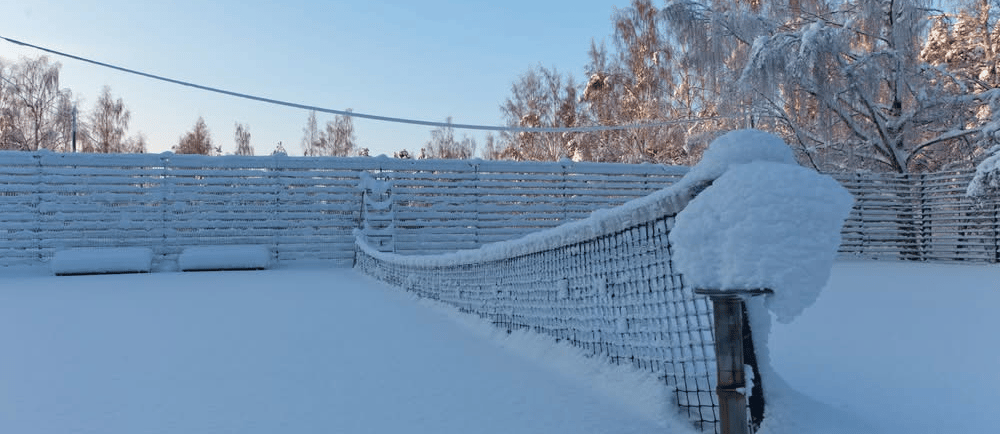
Outdoor pickleball courts, while valuable in the summer, are unusable or unreliable for five to six months annually due to snow, freezing temperatures, and early sunsets.
Even during shoulder seasons—April, October, November—play is often limited by:
Frost and surface freezing
Wet courts
Wind exposure
Low light conditions
This means that outdoor courts, regardless of quality, cannot form the backbone of a sustainable pickleball strategy in Canada.
High Demand Meets Limited Supply: Long Wait Times Are Inevitable
In many communities, municipalities have added two to four outdoor courts as an initial response to rising interest.
But this scale does not meet actual participation levels.
Common challenges now seen across the country include:
Long wait times for open play
Overcrowding during peak hours
Insufficient space for lessons, leagues, and structured programs
Limited opportunities for youth and beginners
Reduced accessibility for older adults who prefer indoor play
These pressures show that the supply of courts is not aligned with real-world demand.
Parkland is Scarce — and Suitable Outdoor Sites Are Even Scarcer
Even when cities want to add more outdoor courts, they face structural constraints:
1. Limited municipal parkland
Many communities are already below recommended parkland density targets, especially high-growth cities.
2. Noise setback requirements
Pickleball courts must be located an appropriate distance from homes, which disqualifies many existing parks.
3. Competing uses for green space
Parks must support playgrounds, multi-use fields, walking paths, and passive green areas. Because of these factors, municipalities cannot rely solely on limited outdoor court expansion to meet long-term pickleball demand.
Shifts in Participation: Traditional Sports Facilities Sit Idle
Municipal recreation planning has historically focused on legacy sports such as baseball, soccer, tennis, and outdoor hockey.
But national data shows:
Declining participation in several traditional sports
Reduced league registrations
Underused diamonds, fields, and courts, often sitting empty for 8–9 months annually and for large portions of weekday hours even in summer
These facilities were built for a different era. Today’s recreational patterns are changing, and pickleball is one of the clearest indicators of that shift.
A modern recreation strategy requires aligning infrastructure investments with current and future participation trends, not historical ones.
Why Indoor Multi-Court Facilities Are the Long-Term Solution
Indoor pickleball centres (8–12 courts or more) offer several advantages:
Year-round play
No noise conflicts
Predictable programming
Accessibility for all ages
Revenue stability through leagues, lessons, and drop-ins
Efficient use of land
Ability to meet demand for structured development pathways
They also make superior use of space:
A 10–12 court indoor pickleball facility can accommodate hundreds of players per day, far exceeding the throughput of most outdoor or multi-sport spaces.
Canada’s climate and demographic trends make indoor pickleball infrastructure not just beneficial but essential.
A Leading Example: Newmarket, Ontario
Among the municipalities adapting to these realities, Newmarket stands out as an example of thoughtful and proactive recreation planning.
Under Mayor John Taylor, council and professional staff, Newmarket has:
Recognized pickleball as a long-term recreational need
Worked collaboratively with local community clubs
Supported structured programming and shared-use models
Made decisions informed by current participation trends rather than historical patterns
By taking a data-driven and community-focused approach, Newmarket is positioning itself as a pickleball-friendly community and a provincial leader in modern recreation planning.
Canada Needs a New Approach to Recreation Planning
The solution is not incremental outdoor courts.
It is a strategic reinvestment in year-round infrastructure that reflects today’s participation data.
Pickleball Partners recommends municipalities:
✔ Conduct local participation audits
Traditional sports vs. contemporary recreation usage.
✔ Reassess underused outdoor facilities
Identify opportunities to repurpose, share, or optimize space.
✔ Prioritize indoor pickleball capacity
8–12 court facilities provide sustainable throughput.
✔ Build partnerships with established local clubs
For programming, volunteer support, and long-term operational success.
✔ Treat pickleball as essential community infrastructure
Not as a trend or seasonal activity.
Conclusion: The Gap Is Clear — and So Is the Opportunity
Canada is experiencing an unprecedented shift in recreational participation.
Pickleball is expanding faster than any other sport, yet infrastructure investment has not kept pace.
To meet community needs today and in the future, municipalities must rethink how they allocate resources, land, and capital.
Investing in year-round pickleball facilities is not only a response to current demand—it is an investment in healthy aging, community engagement, intergenerational activity, and efficient recreational spending.
Newmarket has recognized this.
It is time for other cities to follow suit.
Need Help Planning Pickleball in Your Community?
Pickleball Partners works with municipalities, clubs, and facility operators to help communities:
Understand real pickleball demand
Avoid common planning mistakes
Design successful court layouts
Improve programming and utilization
Create long-term indoor and outdoor strategies
We provide consulting, facility planning insight, programming models, and community engagement strategies.
👉 Contact Pickleball Partners to discuss your community’s pickleball future.
Email Us: Pickleballpartnerscanada@gmail.com